1. Introduction
Visa consultancy face a very specific challenge. People searching for visa help are stressed, cautious, and overwhelmed by information. They do not convert just because a website looks good. They convert when they trust the process and believe you understand their exact visa situation.
This is where a digital marketing funnel becomes critical.
A properly structured digital marketing funnel for visa consultancies helps attract the right applicants, filter serious enquiries, build trust, and convert visitors into paying clients without wasting ad spend or time.
This guide explains how visa consultancies can build and optimize a digital marketing funnel that actually generates qualified leads and conversions.
1. Why Digital Marketing Matters for Visa Consultancies
Visa services are high involvement decisions. Clients are not buying a product. They are investing in their future, education, career, or family.
Traditional marketing methods are no longer enough because:
- Competition among visa consultancies is high
- Clients compare multiple consultants before deciding
- Trust and credibility matter more than price
- Generic advertising attracts low-quality leads
Digital marketing allows visa consultancies to:
- Target applicants by country and visa type
- Educate prospects before the first call
- Build credibility through content and proof
- Control lead quality through funnel stages
Without a funnel, most enquiries remain unqualified and hard to convert.
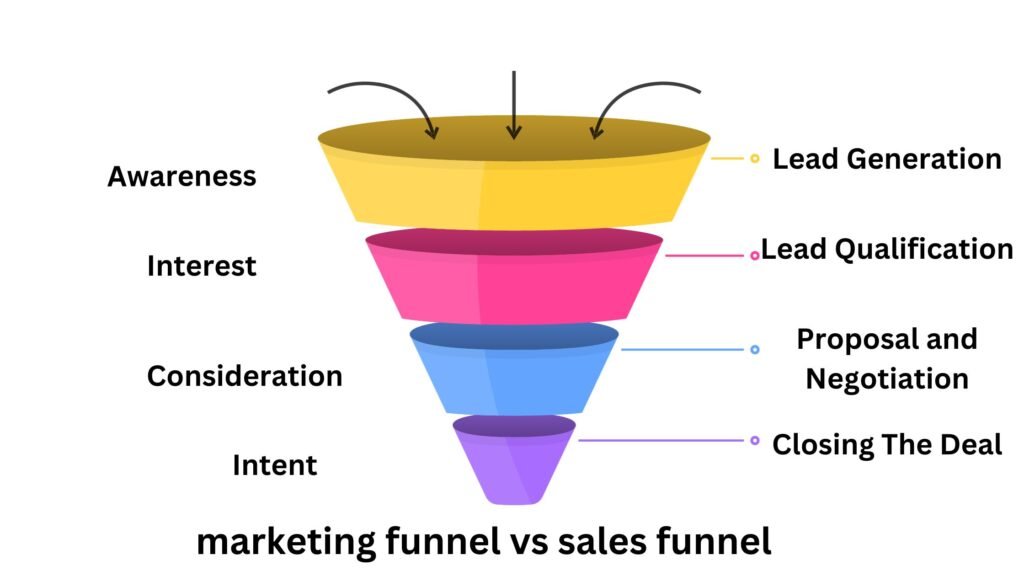
2. Understanding the Digital Marketing Funnel for Visa Consultancies
A digital marketing funnel for visa consultancies maps how a potential applicant moves from searching for visa information to booking a consultation and starting the application process.
Unlike generic funnels, visa consultancy funnels must filter serious applicants early, build trust fast, and guide prospects based on visa type and destination country. The objective is not volume. It is lead quality.
Each stage of the funnel addresses a specific concern faced by visa applicants, helping them move forward with confidence.
2.1 How a Visa Consultancy Funnel Works
A visa consultancy funnel focuses on intent-based movement rather than broad audience engagement.
Prospects typically:
- Search for country or visa-specific information
- Evaluate eligibility and requirements
- Compare multiple consultancies
- Look for proof, clarity, and trust
- Book a consultation when confident
The funnel is designed to support this journey with the right message at the right time.
2.2 Key Stages of a Digital Marketing Funnel for Visa Consultancy
Awareness
Potential applicants discover your consultancy through visa-related searches, ads, or educational content focused on specific countries and visa categories.
Interest
They engage with your website, download visa checklists, or complete eligibility assessments to understand whether they qualify.
Consideration
Prospects evaluate your consultancy by reviewing case studies, testimonials, visa success stories, and consultation details.
Decision
They compare options and choose your consultancy based on clarity, credibility, and communication.
Action
The applicant books a consultation, completes onboarding, and begins the visa application process.
3. Awareness Stage: Attract the Right Visa Applicants
The awareness stage is not about reaching everyone. It is about reaching people actively looking for visa-related help.
Visa consultancies attract better leads when visibility is built around country-specific and visa-type searches, not generic branding.
3.1 SEO for Visa Consultancy Awareness
Search engine optimization is the strongest long-term channel for visa consultancies when done with intent.
Effective SEO focuses on:
- Country-specific visa keywords
- Visa category searches such as student, work, PR, or dependent visas
- Location-based consultancy searches
Examples of high-intent searches include:
- Canada student visa consultants
- Australia work visa process from India
- UK dependent visa requirements
Creating dedicated landing pages for each visa type improves relevance and brings in applicants who are already looking for professional assistance.
3.2 Social Media for Initial Visibility
Social media helps introduce your consultancy to potential applicants who are still researching their options.
Content that works best includes:
- Visa rule updates and policy changes
- Short explanations of eligibility criteria
- Client success stories
- Common reasons for visa rejections
Social media at this stage is about familiarity and trust, not immediate conversion.
3.3 Content Marketing for Authority Building
Content marketing helps visa consultancies establish credibility before a consultation takes place.
High-performing content includes:
- Country-specific visa guides
- Step-by-step application process articles
- Document preparation checklists
- Common mistakes applicants should avoid
Well-structured content positions your consultancy as a knowledgeable and reliable source, making prospects more likely to move to the next stage of the funnel.
4. Interest Stage: Capture and Qualify Visa Enquiries
At the interest stage, visitors are no longer just browsing. They are trying to understand whether they qualify and whether your consultancy can actually help them.
The goal here is not to push a sale. It is to capture details and qualify intent.
4.1 Engaging Applicants with Visa-Specific Content
Content at this stage must answer real eligibility and process-related questions.
Content that performs well includes:
- Visa eligibility explanations by country
- Required document lists for specific visa types
- Timelines for student, work, and PR visas
- Cost breakdowns and process clarity
This content reassures applicants and keeps them engaged longer on your site.
4.2 Capturing High-Intent Leads with Smart Lead Magnets
Generic lead magnets attract low-quality enquiries. Visa consultancies need intent-based offers.
High-converting lead magnets include:
- Free visa eligibility assessment
- Country-specific document checklist
- Free initial consultation call
- Online visa evaluation form
Place lead forms on:
- Visa-specific landing pages
- High-traffic blog posts
- Dedicated consultation pages
5. Consideration Stage: Build Trust and Reduce Uncertainty
At the consideration stage, applicants are comparing multiple visa consultancies. They are asking one core question: Can I trust this consultant with my case?
Your job here is to remove doubt and make the decision easier.
5.1 Lead Nurturing Through Email Communication
Email marketing helps educate and reassure applicants after they share their details.
Effective email content includes:
- Visa process explanations by country
- Updates on rule changes and timelines
- Common rejection reasons and how to avoid them
- Clear next steps in the consultation process
Consistent and informative emails keep your consultancy top of mind without feeling promotional.
5.2 Case Studies and Client Success Proof
Proof matters more than promises in visa services.
Showcase:
- Real client success stories
- Visa categories handled
- Approval timelines
- Before-and-after applicant scenarios
Clear, honest proof builds confidence and shortens the decision cycle.
5.3 Webinars and Free Consultations for Confidence Building
Live interactions help applicants assess your expertise directly.
Effective formats include:
- Country-specific visa webinars
- Student and work visa Q&A sessions
- One-on-one initial consultation calls
These interactions allow prospects to clarify doubts and move closer to booking a full service.
6. Decision Stage: Turn Qualified Leads into Booked Consultations
At this stage, applicants already understand the process and trust your expertise. What they need now is clarity and ease.
Any friction here costs conversions.
6.1 Making Consultation Booking Simple and Clear
Consultation booking should require minimal effort.
Best practices include:
- Online booking with available time slots
- Clear call-to-action buttons on every visa service page
- Dedicated consultation landing pages for each visa type
- Clear explanation of what happens during the consultation
Remove unnecessary steps that delay decision-making.
6.2 Personalizing Follow-Ups by Visa Category
Not all applicants have the same concerns. Personalization increases response and conversion.
Segment communication based on:
- Student visas
- Work visas
- PR or dependent visas
Personalized follow-ups show understanding and improve trust at the final decision stage.
6.3 Remarketing to Re-Engage High-Intent Applicants
Many applicants need time before booking.
Remarketing helps bring them back.
Effective remarketing channels include:
- Google remarketing ads for website visitors
- Social media retargeting for specific visa pages
- Email reminders for incomplete bookings
The goal is to stay visible until the applicant is ready to act.
7. Action Stage: Convert and Onboard Clients Efficiently
The action stage begins once an applicant agrees to proceed. A smooth and transparent process here builds confidence and reduces drop-offs.
7.1 Closing the Consultation and Payment Process
Applicants expect clarity at this stage.
Best practices include:
- Secure and simple payment options
- Clear explanation of service scope
- Transparent timelines and documentation requirements
- Written confirmation of next steps
Clear communication prevents misunderstandings and builds long-term trust.
7.2 Client Onboarding and Case Management
A structured onboarding process reassures clients that their case is in good hands.
Effective onboarding includes:
- Step-by-step guidance on document submission
- Dedicated point of contact
- Regular status updates
- Clear escalation process for questions
A strong onboarding experience improves satisfaction and referrals.
8. Post-Conversion Growth and Retention Strategies
Post-conversion activities turn one-time clients into long-term advocates.
8.1 Retention Through Ongoing Communication
Stay connected with clients after service delivery by sharing:
- Visa policy updates
- Extension or dependent visa opportunities
- Country-specific immigration changes
Ongoing value keeps your consultancy relevant.
8.2 Referral Programs for Visa Consultancies
Satisfied clients are your most effective marketing channel.
Referral programs work best when:
- Incentives are clearly explained
- The referral process is simple
- Requests are made after successful visa milestones
Referrals bring high-trust leads with better conversion rates.
8.3 Online Reviews and Reputation Management
Online reviews strongly influence visa consultancy decisions.
Encourage clients to leave reviews on:
- Google Business Profile
- Industry directories
- Social platforms
Respond professionally to both positive and negative feedback to maintain credibility.
9. Tools and Technology for Optimizing a Visa Consultancy Funnel
The right tools help visa consultancies manage leads efficiently, reduce response time, and improve conversions across the funnel.
9.1 CRM Systems for Lead and Client Management
A CRM system helps visa consultancies:
- Track enquiries and consultation status
- Log client interactions
- Manage follow-ups and reminders
- Monitor conversion stages
Using a CRM ensures no serious enquiry is missed and improves operational efficiency.
9.2 Marketing Automation for Lead Nurturing
Automation tools help scale communication without losing personalization.
Automation can be used for:
- Email follow-up sequences after lead capture
- Consultation reminders
- Visa updates and notifications
- Lead segmentation by visa type
This reduces manual effort while maintaining consistent communication.
9.3 Funnel Tracking and Performance Analysis
Data helps identify where applicants drop off.
Key metrics to track include:
- Traffic sources by visa category
- Lead-to-consultation conversion rate
- Drop-offs at booking and payment stages
Tools like analytics platforms and CRM reports help optimize underperforming stages.
10. Future Trends in Digital Marketing for Visa Consultancies
Visa consultancy marketing continues to evolve with technology and user behavior.
10.1 AI and Chatbots for Faster Lead Engagement
AI-powered chatbots help:
- Answer basic visa-related questions
- Guide users to relevant visa services
- Capture enquiries outside business hours
Faster responses improve engagement and lead quality.
10.2 Video Marketing for Trust and Clarity
Video content improves understanding and credibility.
High-impact video formats include:
- Visa process explainers
- Client testimonials
- Consultation walkthroughs
Videos help applicants feel confident before reaching out.
11. Conclusion: Build a Funnel That Attracts and Converts
A structured digital marketing funnel helps visa consultancies attract qualified applicants, build trust, and convert leads consistently.
By aligning content, communication, and tools with each stage of the funnel, visa consultancies can reduce wasted marketing spend and improve client acquisition.
If your visa consultancy is struggling with lead quality or inconsistent conversions, building a focused digital marketing funnel is no longer optional. It is essential.
FAQs
1. Why is digital marketing important for visa consultants?
Because immigration services rely heavily on trust, digital marketing helps consultants reach the right audience, build credibility, and nurture leads effectively.
2. Which digital channels work best for visa consultancies?
SEO, Google Ads, LinkedIn, Facebook, and YouTube work especially well, as they target people actively searching for immigration help.
3. How can a visa consultant generate more leads online?
By using lead magnets (visa checklists, free consultations), running targeted ads, and creating educational content that solves client pain points.
4. Is social media necessary for visa consultancies?
Yes. Social platforms humanize your brand, share success stories, and engage directly with potential clients.
5. What role does SEO play in digital marketing for visa consultants?
SEO ensures your website shows up when potential clients search for relevant visa or immigration queries, bringing in high-intent traffic.